

Charleston, West Virginia – Is your West Virginia home physically moving this spring? As winter frost eases and spring rain increases, homeowners in Charleston, Morgantown, and surrounding communities are often the first to notice changes that raise concern.
Across West Virginia, months of frozen ground begin to thaw unevenly as temperatures rise. In many areas, steep terrain and moisture-sensitive soils can amplify ground movement during spring. As ice within the soil melts and rainfall increases, soil can soften, shift, or settle, changing how foundations are supported.

According to building and structural experts, the freeze–thaw cycle plays a major role in foundation stress throughout the state. Soil expands when frozen, then contracts or loosens as it thaws. Combined with spring rain, this process can place added pressure on foundation walls, footings, and slabs, particularly in hillside or older homes.
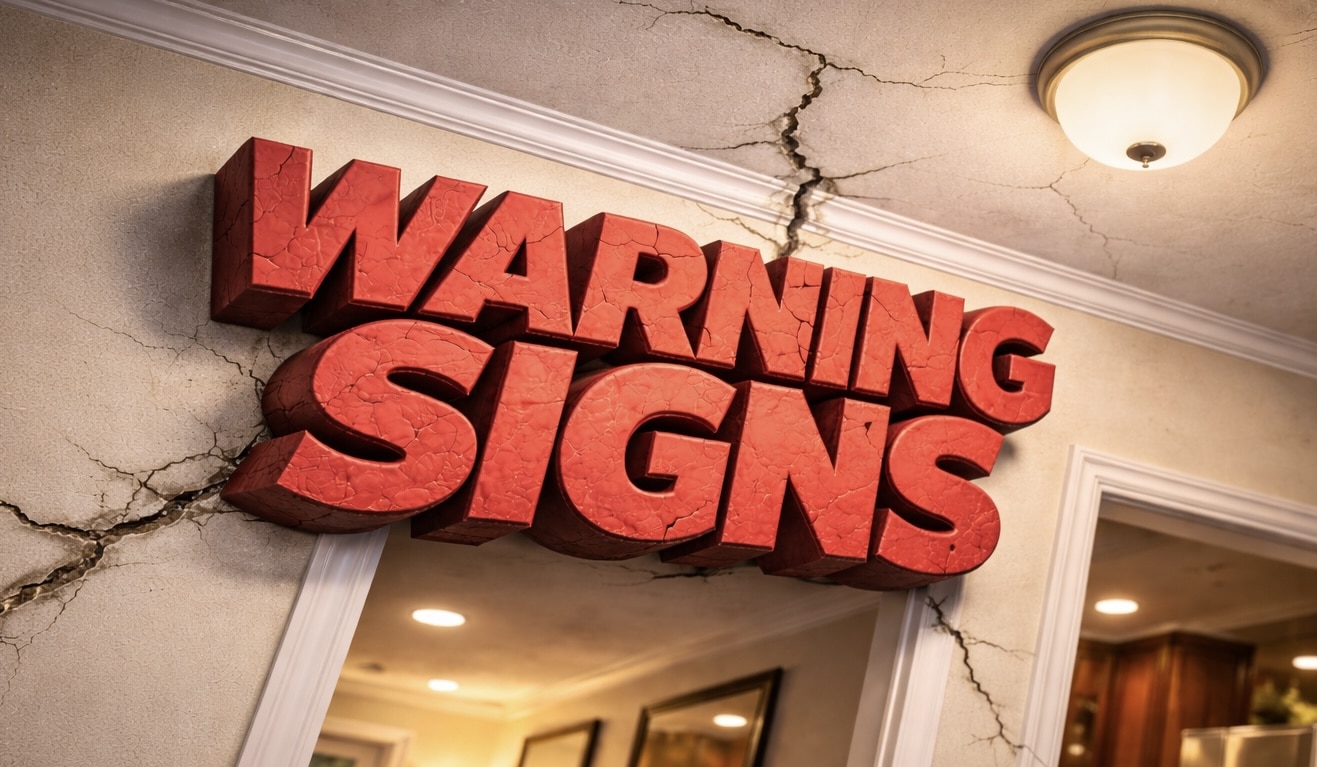
Homeowners may notice doors or windows suddenly sticking, new cracks forming in drywall or masonry, or floors that feel uneven. These warning signs often appear quickly after snowmelt or periods of heavy rain.
Experts note that some spring movement is expected and does not always indicate structural damage. However, spring is also when underlying foundation and slope-related issues are most likely to surface.
Warning signs that should not be ignored include cracks that continue widening into late spring, doors and windows that remain misaligned, visible bowing or shifting in foundation walls, gaps forming along exterior masonry, or water pooling near the home after storms. In sloped areas, signs of soil movement near the foundation should also be evaluated.
To reduce risk, homeowners are encouraged to manage water carefully during spring thaw. Keeping gutters clear, directing downspouts away from foundations, and ensuring proper grading and drainage on slopes can help limit soil saturation. Annual inspections can help determine whether movement is seasonal or structural.
For first-time homeowners and buyers entering West Virginia’s spring housing market, foundation movement is often the first visible sign that conditions beneath a home have changed. Experts emphasize that early attention can help prevent minor seasonal shifting from becoming long-term damage.


