

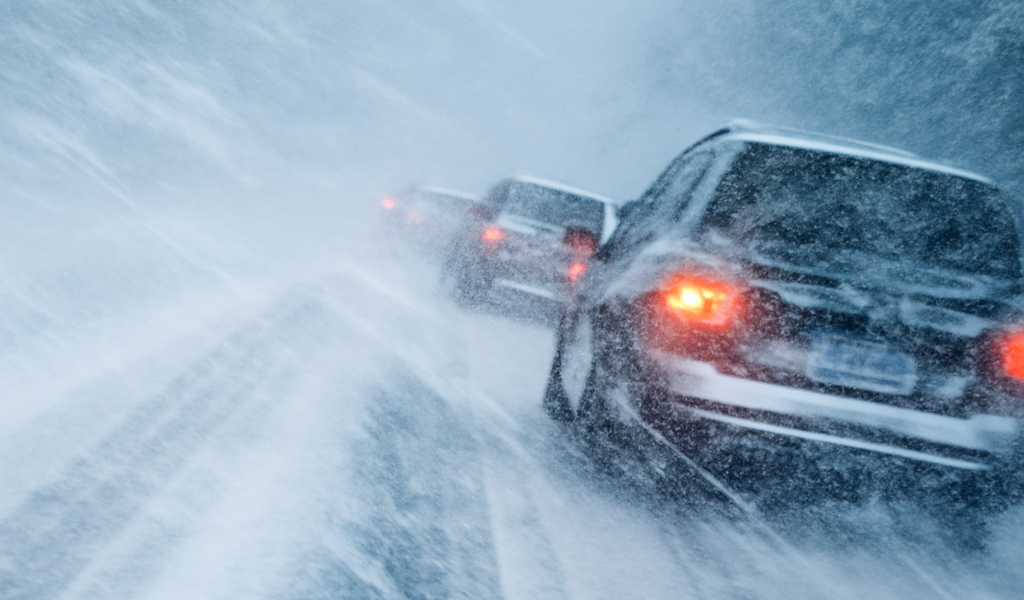
Chicago, Illinois – Fifteen years ago today, one of the most powerful winter storms in Chicago history stranded drivers on Lake Shore Drive as nearly two feet of snow fell across the city during the infamous Groundhog Day Blizzard of 2011.
According to the National Weather Service in Chicago, the storm struck between January 31 and February 2, 2011, delivering 21.2 inches of snow at O’Hare International Airport, the third-largest snowfall ever recorded at the site. Some locations in northern Illinois received more than 24 inches, including areas near the Lake Michigan shoreline.

The most memorable and dangerous impacts unfolded along Lake Shore Drive, where intense snowfall rates, near-zero visibility, and powerful winds overwhelmed plowing operations. As conditions rapidly deteriorated on the evening of February 1, dozens of vehicles became stuck, leaving motorists trapped for hours overnight as snowdrifts built up around them. Emergency crews later conducted rescues in whiteout conditions.
The blizzard combined lake-enhanced snowfall, thunder snow, and wind gusts exceeding 50 mph, producing drifts reported up to five feet high in some areas. Visibility frequently dropped to near zero, prompting widespread road closures across Cook County and surrounding regions. Major routes including I-90, I-94, and I-290 were severely impacted.
Beyond Chicago, heavy snow stretched across northern Illinois and northwest Indiana, with Rockford officially recording 15.1 inches. The storm’s footprint and intensity made it one of the defining Midwest winter events of the modern era.
Meteorologists note that the Groundhog Day Blizzard remains a benchmark for emergency planning, snow response, and public safety messaging in Chicago. Its legacy is still referenced during major winter storm forecasts today.
As the city marks the 15-year anniversary, the storm serves as a stark reminder of how quickly winter weather can escalate—and how vulnerable even major urban corridors like Lake Shore Drive can become under extreme conditions.


