

Minneapolis–St. Paul, Minnesota – A brief January thaw across the Twin Cities will come to an abrupt end late Tuesday as temperatures plunge and light precipitation creates a risk for slick travel across parts of eastern Minnesota and western Wisconsin.
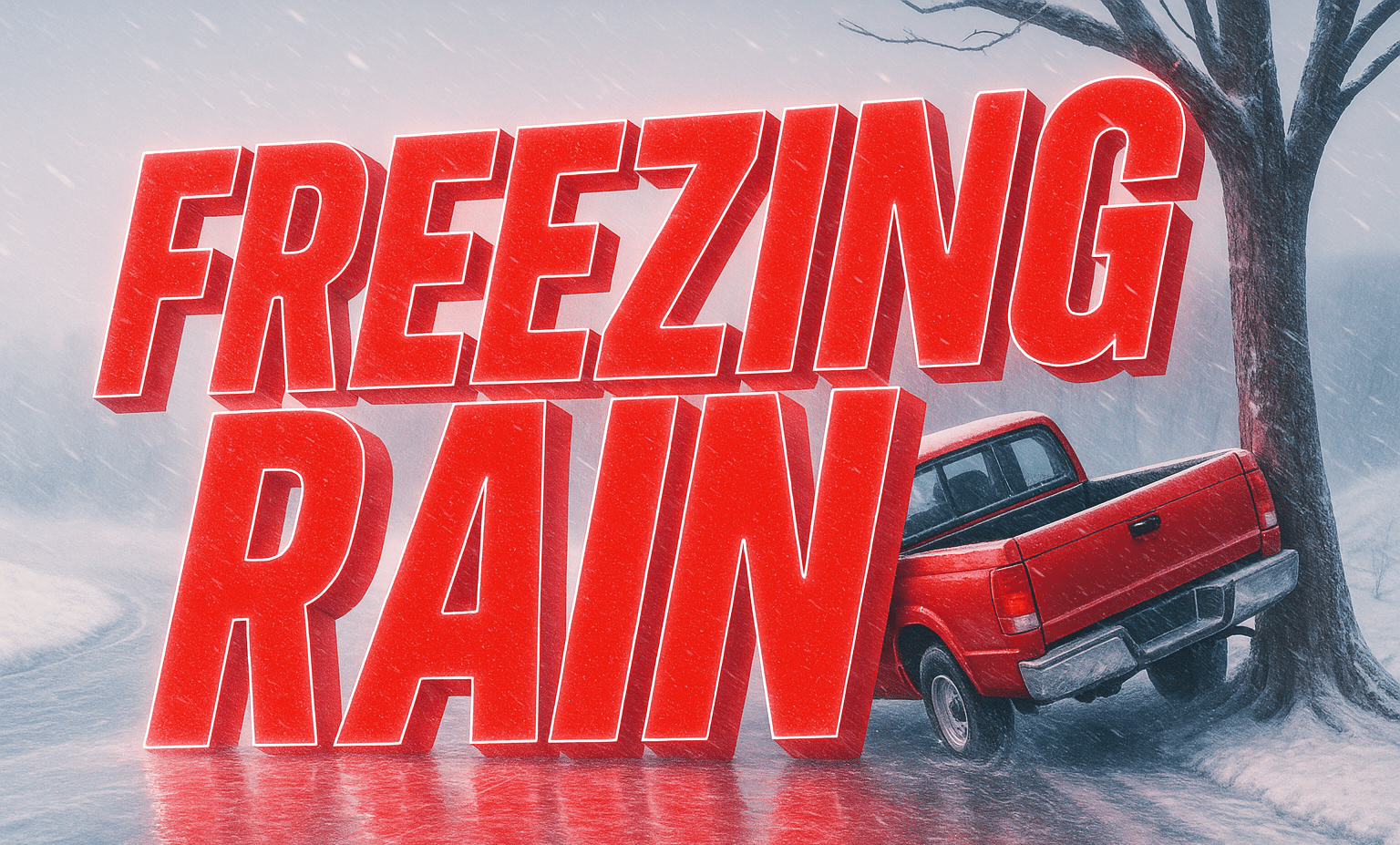
According to the National Weather Service Twin Cities, mild conditions today and Tuesday will give way to rapidly falling temperatures Tuesday night, with readings dropping well below freezing. Late Monday night into Tuesday morning, light rain is expected north of Interstate 94, though colder air could allow freezing rain to develop near Rice Lake and Ladysmith in western Wisconsin, depending on how quickly temperatures fall.

While the Twin Cities metro is expected to see mostly rain initially, roads including Interstate 94, Interstate 35W, Interstate 35E, and Highway 52 could become slick if temperatures fall faster than expected, especially on bridges, overpasses, and untreated surfaces. Areas east of the metro toward Wisconsin face the highest risk for icy conditions early Tuesday morning.
By Tuesday night, colder air will firmly settle into the region. Light snow is expected for much of Thursday and Friday, though snowfall totals look modest, with up to 4 inches possible combined over both days. Gusty winds and falling temperatures will make conditions feel much colder by midweek.
Daytime highs will drop into the 20s by Wednesday, with overnight lows falling into the single digits and teens by late week. Any moisture left on roadways Tuesday night may refreeze, increasing the risk for black ice during the Wednesday morning commute.
Residents are urged to remain cautious during the transition from rain to freezing temperatures. Slow down, increase following distance, and allow extra time for travel, especially if driving east of the Twin Cities.
While this is not a major winter storm, the rapid temperature drop combined with light precipitation could still produce hazardous travel conditions, particularly early Tuesday and again as snow develops later in the week. Updates will be issued as confidence increases on freezing rain placement and snow timing.


