

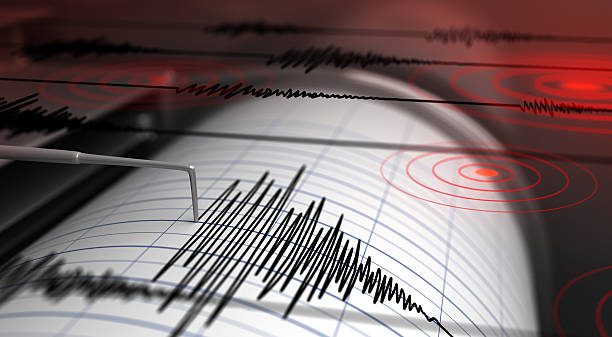
Minneapolis, Minnesota – A rare Midwest earthquake early Tuesday is prompting renewed preparedness conversations across Minnesota, a state where seismic activity is infrequent and often overlooked. The magnitude 2.6 quake struck overnight in the Ohio Valley region, drawing attention across the Upper Midwest and reminding residents that earthquakes, while uncommon, are possible even far from major fault zones.
According to the U.S. Geological Survey, the earthquake occurred at a shallow depth, allowing light shaking to be detected across a broader area. No damage or injuries were reported, but emergency officials say the event highlights how easily seismic risk fades from awareness in states better known for winter storms, blizzards, and extreme cold.

Minnesota experiences occasional small earthquakes, typically tied to ancient fault systems buried deep beneath the region or distant seismic zones to the south. While most quakes are too weak to be felt, officials note that older homes, brick buildings, and unsecured furniture can still pose safety risks during minor shaking. Communities including Minneapolis, St. Paul, Duluth, Rochester, and Mankato are encouraged to review basic earthquake safety steps.
The Minnesota Department of Public Safety advises residents to secure bookshelves, televisions, and heavy appliances, and to brace water heaters. Identifying safe indoor locations away from windows and overhead objects is also recommended. During shaking, residents should practice “Drop, Cover, and Hold On,” and remain indoors until movement stops.
Emergency managers encourage households to maintain emergency kits with water, food, medications, flashlights, batteries, and backup phone chargers, and to review family communication plans.
Seismologists stress that the early Tuesday quake does not signal an increased earthquake threat for Minnesota. Still, preparedness officials say rare Midwest tremors offer an important reminder that readiness planning should include low-probability but high-impact events.
Additional preparedness messaging may follow as agencies use the early Tuesday quake as a regional awareness moment moving further into 2026.


