

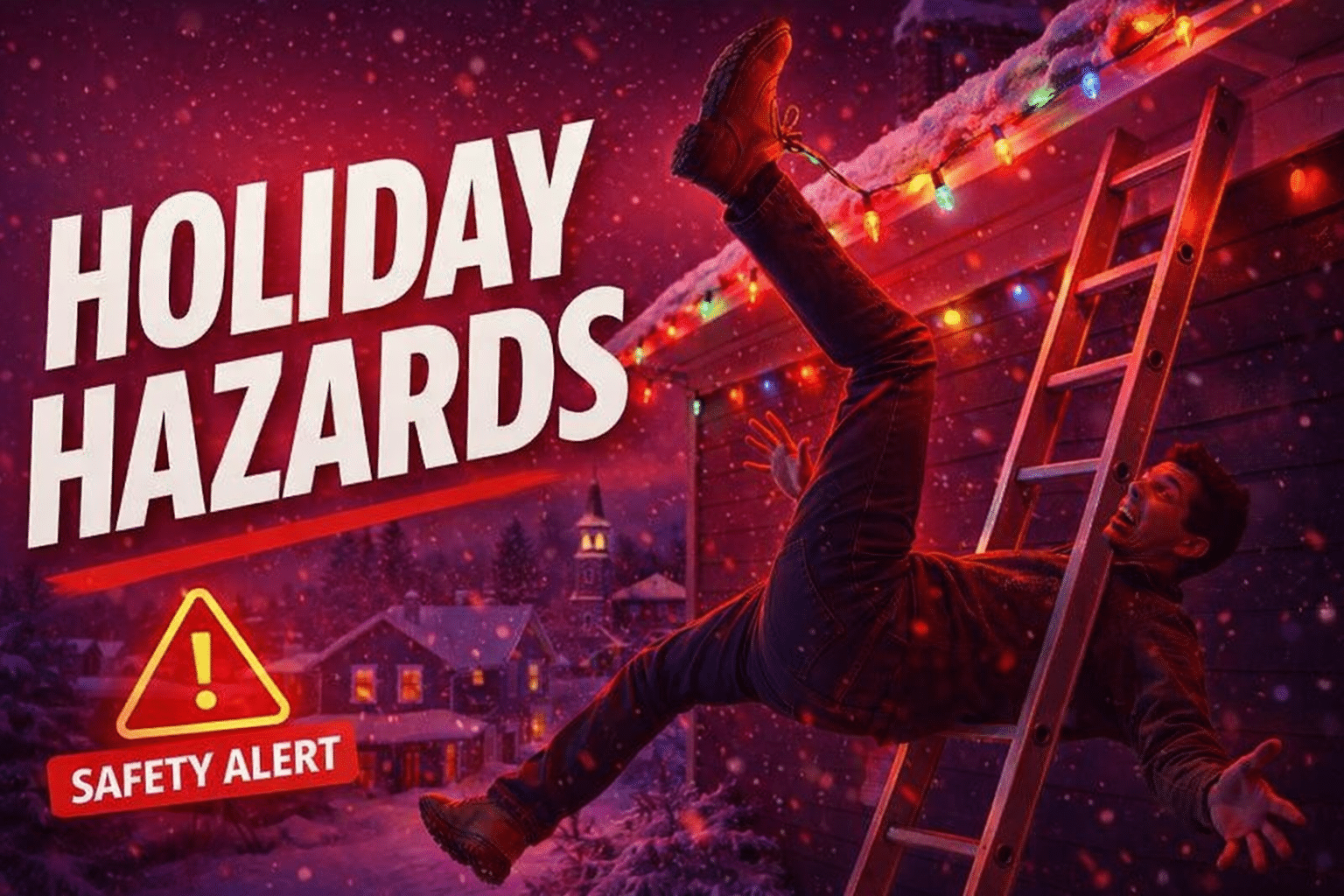
Detroit, MI – As winter weather intensifies, holiday travel increases, and home heating use rises across Michigan this week, safety officials are urging residents in the Detroit area to take extra precautions against common winter accidents that historically spike during the holiday season.
According to Michigan emergency management officials, fire departments, and law enforcement agencies, lake-effect snow, icy road conditions, and increased reliance on space heaters and alternative heating sources contribute to elevated risks across much of the state.
Lake-Effect Snow and Whiteout Conditions
State police warn that lake-effect snow can create sudden whiteout conditions and rapid roadway icing, especially in southeast Michigan and along major travel corridors. Routes including I-75, I-94, I-96, and M-59 frequently see increased crash risks during snow squalls. Drivers are urged to slow down immediately when visibility drops and avoid unnecessary travel during severe snow bursts.
Ice-Related Slips and Falls
Hospitals across the Detroit metro area and surrounding counties often report an increase in slip-and-fall injuries during freezing temperatures and refreezing conditions. Officials advise residents to salt sidewalks and driveways, wear traction-friendly footwear, and use caution on parking lots, stairs, and building entrances.
Home Heating and Fire Risks
Fire officials report that heating-related fires involving space heaters, fireplaces, and overloaded outlets rise during prolonged cold snaps. Residents are urged to keep heaters at least three feet away from flammable materials and never use extension cords with heating devices.
Carbon Monoxide Dangers
Snow-covered exhaust vents and improper generator use during power outages can lead to dangerous carbon monoxide exposure. Officials stress the importance of working carbon monoxide detectors on every level of the home and warn against operating generators or grills indoors or inside garages.
Safety officials say preparation, cautious driving, and safe heating practices are essential to reducing winter-related injuries and emergencies during Michigan’s busy holiday season.


