

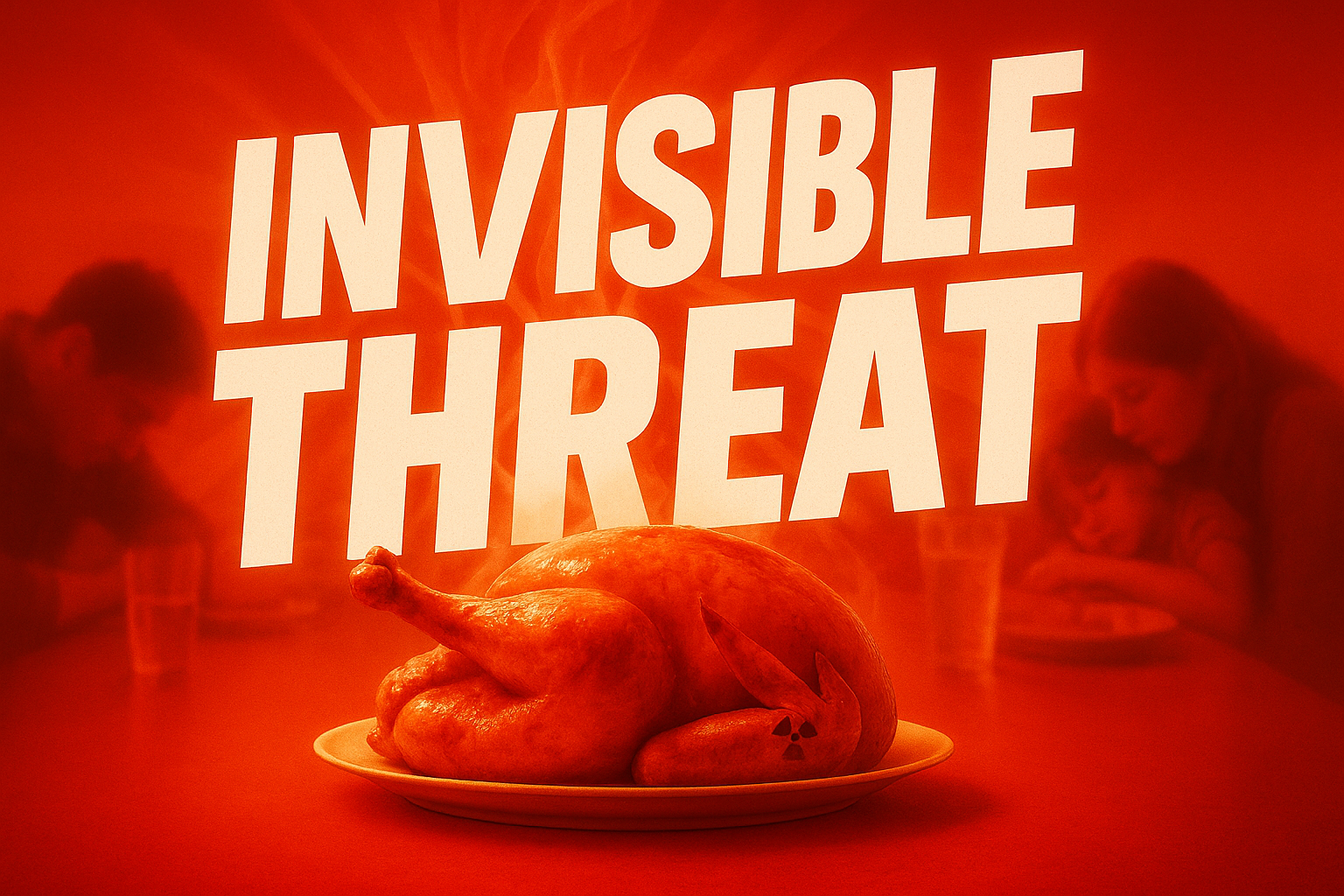
Baltimore, MD – As Maryland families prepare for Thanksgiving gatherings, state health officials are issuing an urgent warning about an invisible and deadly danger that could be filling homes this holiday. The Centers for Disease Control and Prevention (CDC) and Maryland Department of the Environment (MDE) say radon, a naturally occurring radioactive gas, is a growing concern during winter when houses are tightly sealed.
Radon is released from the breakdown of uranium in soil, rock, and groundwater. It seeps into homes through cracks in foundations, sump pits, or pipe openings, where it accumulates without smell, color, or taste. Because it’s impossible to detect without testing, many families breathe it in daily without realizing the risk.
The U.S. Environmental Protection Agency (EPA) ranks radon as the second-leading cause of lung cancer, responsible for more than 21,000 deaths each year. Health experts say no level is completely safe, and recommend mitigation if tests reveal 4 picocuries per liter (pCi/L) or higher.
Testing is simple and inexpensive. Short-term radon kits, available online or at hardware stores for under $30, can measure levels in just a few days. The Maryland Department of the Environment also offers resources and guidance to help residents test and reduce radon levels in their homes.
If high levels are detected, certified mitigation specialists can install venting systems that safely lower radon concentrations by up to 90%. Sealing basement cracks and improving airflow can also help reduce risk temporarily.
“Radon is silent but preventable,” CDC officials warned. “Testing this Thanksgiving could be the single most important step you take to protect your family.”
Maryland health experts say that central and western parts of the state, including Baltimore, Frederick, and Hagerstown, are among the regions most likely to see elevated radon readings. With families gathering indoors for the holidays, officials urge residents to make radon testing part of their winter home checklist.


