

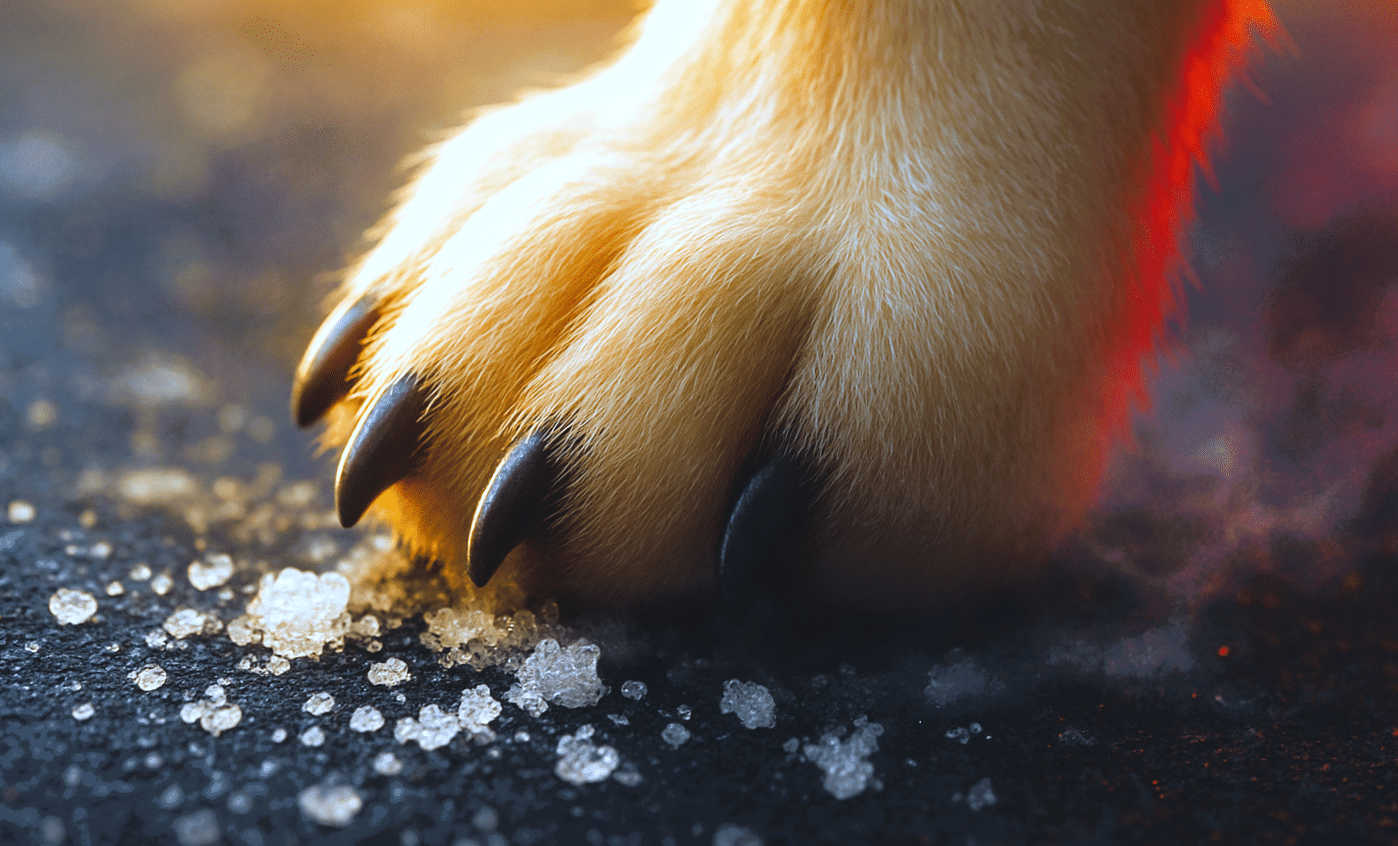
Oklahoma City, OK – As first frost and icy bridge warnings spread across Oklahoma, veterinarians are reminding pet owners that early-season cold can pose hidden dangers beyond the temperature drop. The road salt and de-icing chemicals used to treat bridges, highways, and sidewalks can burn paw pads, irritate skin, and cause toxic reactions when pets lick or ingest them.
Common de-icing materials—such as sodium chloride, calcium chloride, and magnesium chloride—are effective for melting ice but harsh on dogs’ and cats’ paws. Even brief exposure can lead to redness, dryness, or cracking. When pets lick their paws afterward, they can swallow enough residue to cause vomiting, diarrhea, excessive thirst, or lethargy. In serious cases, veterinarians warn that salt poisoning can cause seizures or kidney failure.
Some products used on roads and driveways also contain industrial residues or heavy metals, which add to the risk with repeated exposure. Pets that spend more time outdoors or walk on treated concrete are most vulnerable, especially during early-season freezes when owners may not expect chemical use.
Veterinarians recommend rinsing a pet’s paws with warm water after each walk and drying them thoroughly to remove residue. Applying a paw balm or wax before going outside can help prevent irritation, and trimming fur between the toes reduces salt buildup. Booties can provide added protection for dogs that tolerate them. Homeowners should opt for chloride-free, pet-safe ice melts around their homes.
With temperatures dipping into the 20s and 30s across Oklahoma this weekend, bridges, overpasses, and sidewalks may see early-morning ice and salt treatments. Pet owners are urged to watch for limping, licking, or reluctance to walk—signs of irritation or burns from salt exposure.
As frost and freezing conditions settle over the plains, veterinarians emphasize that the biggest winter hazard to pets isn’t always the cold itself—but the chemicals spread to keep roads clear.


